How to Get Around Mongolia: Transport Options Explained (2026)
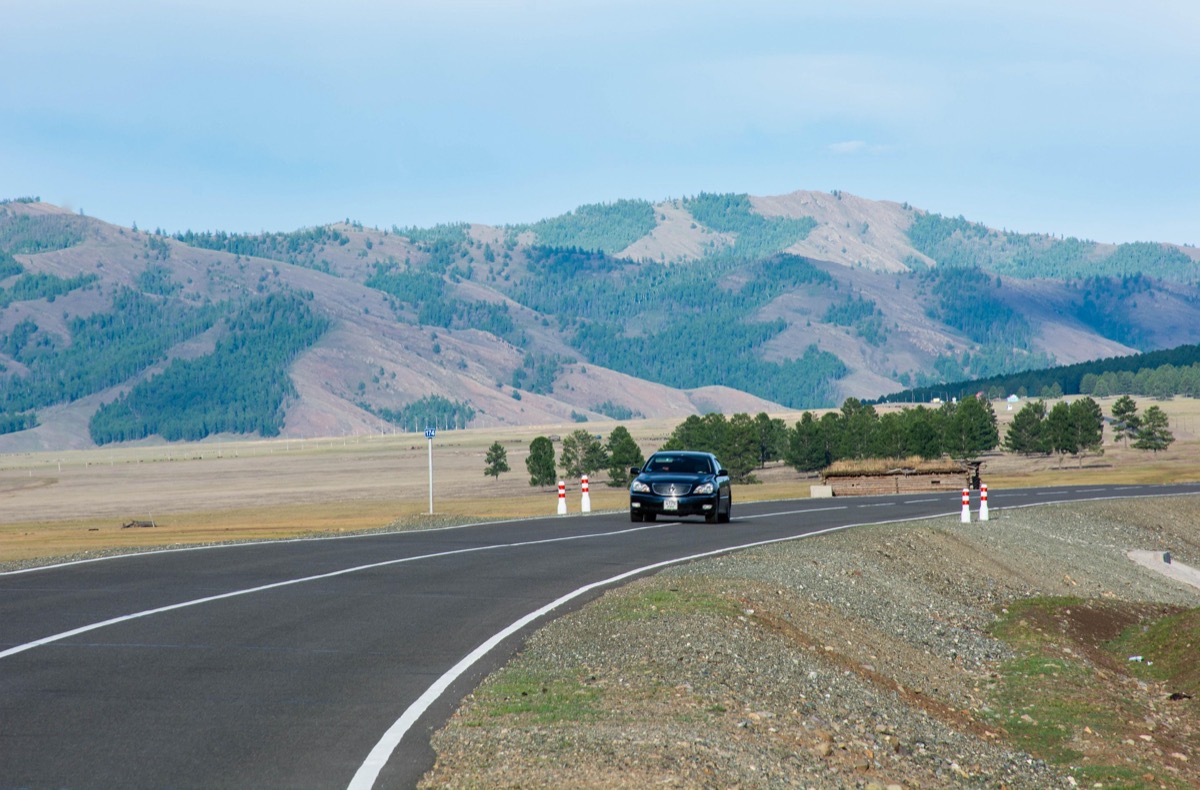
Most first-time visitors assume getting around Mongolia works like anywhere else — book a train, grab an intercity bus, hop a domestic flight. It can, but only for a handful of routes. The honest answer to how to get around Mongolia: domestic flights and trains connect a few major cities, intercity buses and minivans reach provincial centres, and city taxis cover Ulaanbaatar — but almost every reason you came (the Gobi, Orkhon Valley, Khövsgöl Lake) sits off the paved, scheduled network, where a rented vehicle is the only practical way in.
This guide breaks down every option, what it actually reaches, and which one fits your trip.
Know you want the freedom to go anywhere? Get a fair, fixed quote from JOROO — Mongolia car rental built for foreign travellers.
Transport options at a glance
Mongolia has five realistic ways to move: domestic flights, the railway, intercity buses and shared minivans, city taxis, and a rented car (self-drive or with a driver). Each covers a different slice of the country. Flights save days but only land in a few towns; the railway runs north–south only; a rental is the one option that reaches the sights themselves.
| Option | Best for | Where it reaches | Rough cost | Book ahead? |
| Domestic flight | Saving days on long hauls | UB ↔ a few aimag capitals (Gobi, Khövsgöl, west) | ~$100–200 one-way | Yes (seasonal) |
| Train | Cheap UB → north/south towns | UB ↔ Darkhan, Erdenet, Sainshand | Low | Yes, in summer |
| Intercity bus / minivan | Budget hops between towns | UB ↔ provincial centres | Under $20 | Recommended |
| City taxi (UBCab app) | Getting around Ulaanbaatar | Within UB | Metered in-app | No |
| Rental car (self-drive or driver) | The actual sights, on your schedule | Everywhere, including off-grid | Daily rate | Yes |
Domestic flights: fast, but only a few towns
Domestic flights are the fastest way to cross Mongolia’s huge distances, run by MIAT Mongolian Airlines, Aero Mongolia, and Hunnu Air. They connect Ulaanbaatar to a short list of aimag capitals — Dalanzadgad (gateway to the Gobi), Mörön (for Khövsgöl Lake), and Khovd or Ölgii in the far west. Expect roughly $100–200 one-way, with service concentrated in the late-June to early-September tourist season.
Two catches travellers underestimate:
- Baggage is tight. Small aircraft mean a low checked allowance (around 15 kg) — a problem if you are carrying camping gear.
- A flight lands you in a town, not at the sights. From Dalanzadgad or Mörön you still need ground transport to reach the dunes, the lake shore, or a ger camp.
Flights make sense when you are short on time and want to skip a long drive in one direction — for example, fly out to the Gobi and drive back.
Trains: scenic and cheap, but the wrong axis
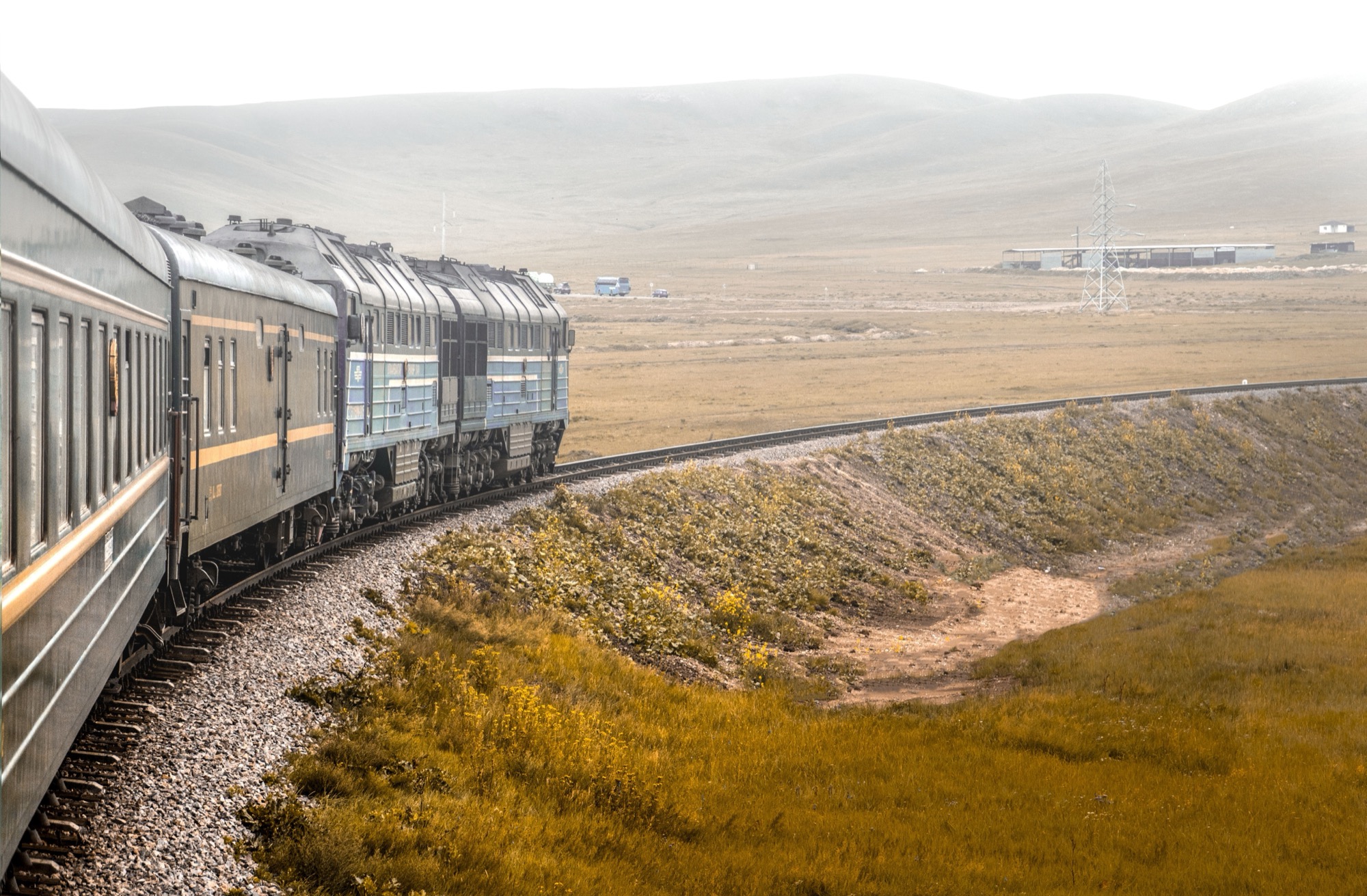
Mongolia’s railway is comfortable and inexpensive, but it runs the wrong way for most itineraries. The Trans-Mongolian line travels north–south — Ulaanbaatar up to Darkhan and Erdenet, and down through Sainshand toward the Chinese border — not east–west across the steppe where the famous landscapes are. It is a great experience between major towns and a classic way to enter or leave the country, but it will not carry you to Khövsgöl Lake, the Orkhon Valley, or the central Gobi sights.
If a rail segment fits your route, book early through official Mongolian Railways channels — berths sell out weeks ahead in summer.
Intercity buses and shared minivans
For overland travel between towns on a budget, intercity buses and shared minivans (locally mikr) run from Ulaanbaatar’s main bus terminal (the Dragon terminal) to provincial centres across the country, usually for under $20. Buses follow fixed schedules; minivans typically leave when full, so departure times are loose.
They are cheap and authentic, but plan around two realities: seats fill fast (book ahead where you can), and like flights and trains, they drop you in a town, not at the natural sights — which often sit dozens of off-road kilometres beyond the last bus stop.
Getting around Ulaanbaatar
Within Ulaanbaatar, your two everyday options are city buses and taxis. City buses run fixed routes and use a prepaid U-Money card you tap on board, bought from kiosks. For door-to-door trips, skip flagging cars on the street and use UBCab, the main local ride-hailing app — it has English support, shows the fare, and takes cash or card. Street taxis are usually unmetered, so agree a price first or, better, ride through the app.
A practical safety habit: when riding alone or at night, share your live UBCab trip with a trusted contact.
Renting a car: the only option that reaches the sights
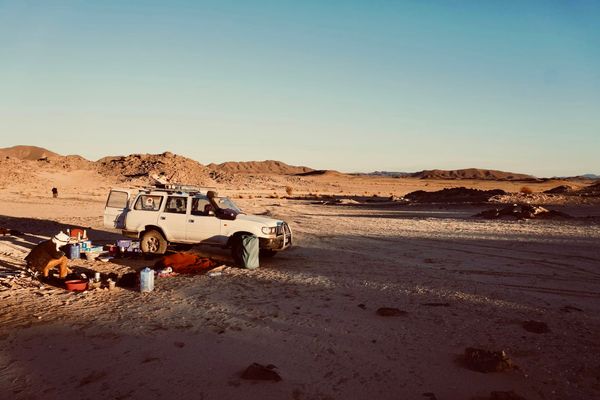
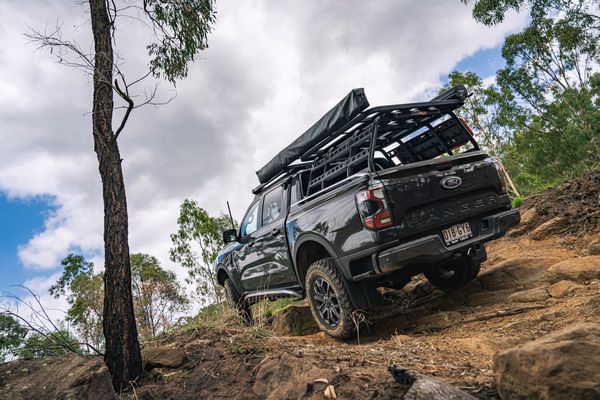
Here is what the schedules do not tell you: the experiences that bring people to Mongolia — the Gobi dunes, the Orkhon waterfall, the Khövsgöl shoreline, remote ger camps — are not on any flight, train, or bus route. A rented vehicle is the only way to reach them directly and on your own timing. You have two ways to do it:
- Self-drive — maximum freedom if you are comfortable navigating unmarked tracks. See self-drive vs. hiring a local driver before deciding.
- Car with a local driver — the same reach without the navigation and breakdown risk, ideal for first-timers and groups.
Either way, this is JOROO’s core service: JOROO is a Mongolia car rental company for foreign travellers, with transparent pricing, English support, and vehicles inspected for off-road use. For what it costs, see our Mongolia car rental price guide, and for the full picture read the complete guide to renting a car in Mongolia.
So which option should you choose?
Match the transport to the trip:
- City-only trip (Ulaanbaatar + day tours): UBCab taxis and city buses are enough.
- One or two far regions, short on time: fly out, then use a local vehicle on the ground.
- A real road trip (Gobi, central Mongolia, Khövsgöl): rent a car — self-drive or with a driver. Flights and buses cannot reach the sights, and stitching them together wastes the days you came for.
Most foreign itineraries end up as a hybrid: a domestic flight to skip one long leg, plus a rented vehicle for everything off the paved grid. Plan the route first — our step-by-step Mongolia road trip guide walks through it — then choose transport to match.
🚙 Skip the guesswork on transport.
Tell JOROO your route and dates, and we will send a transparent, fixed quote for a vehicle that reaches every stop.
Get a fair, fixed quote from JOROO →
Frequently Asked Questions (FAQ)
What is the best way to get around Mongolia?
For Ulaanbaatar, use the UBCab taxi app or city buses. For the countryside sights — the Gobi, Orkhon Valley, Khövsgöl Lake — renting a car (self-drive or with a local driver) is the best and often only practical option, because flights, trains, and buses reach towns but not the natural sites beyond them.
Can you get around Mongolia without renting a car?
Partly. Domestic flights, trains, and intercity buses connect Ulaanbaatar with major towns, so a city-based or town-to-town trip is possible without renting. But to reach the off-road landscapes most travellers come for, you will need a rented vehicle or an organised tour — public transport does not serve them.
Are there trains across Mongolia?
Mongolia’s railway runs mainly north–south (Ulaanbaatar toward Russia and toward China), not east–west across the steppe. It is comfortable and cheap between major towns and a classic way to enter or leave the country, but it does not reach the Gobi, Orkhon Valley, or Khövsgöl tourist areas.
How much do domestic flights in Mongolia cost?
Domestic flights between Ulaanbaatar and regional hubs such as Dalanzadgad (Gobi) or Mörön (Khövsgöl) typically cost about $100–200 one-way, operated by MIAT, Aero Mongolia, and Hunnu Air. Service is seasonal — concentrated from late June to early September — and small aircraft mean a low baggage allowance.
Is Uber available in Ulaanbaatar?
No. Uber and Grab do not operate in Mongolia. The main local ride-hailing app is UBCab, which has English support, displays the fare, and accepts cash or card. For street taxis, agree the price before you get in, as meters are uncommon.