How to Plan a Mongolia Road Trip: Step-by-Step Guide
Planning a road trip through Mongolia is nothing like driving through Western Europe or North America. There are no roadside motels every fifty kilometers, digital highway signs don't exist, and the moment you veer off the main paving, you are navigating by landmarks and dirt tracks.
It is one of the most rewarding overland journeys on the planet, but it requires meticulous preparation. If you don't map your route properly, track your fuel, or secure the right vehicle, you risk getting stranded in the middle of the steppe.
To ensure your adventure is seamless, here is the ultimate step-by-step playbook for planning a flawless Mongolian road trip.
The foundation of a great road trip is a vehicle you can trust. Don't leave your safety to chance.Get a transparent, fixed quote from JOROO to secure your 4x4 or SUV today.
Step 1: Choose Your Main Loop (The Two Route Realities)
Mongolia is massive, and trying to see the entire country in a standard two-week vacation is impossible due to slow off-road driving speeds. You must choose one primary region. Most travelers pick between these two distinct loops:
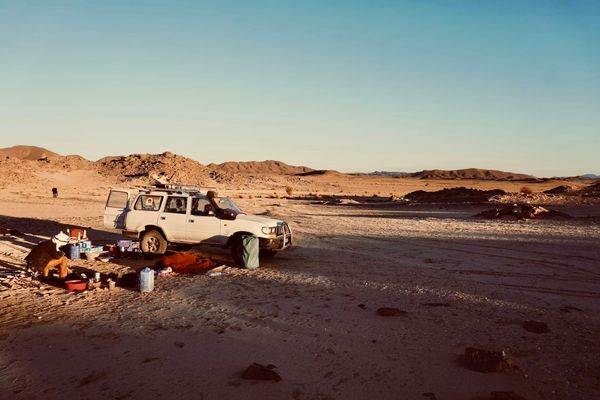
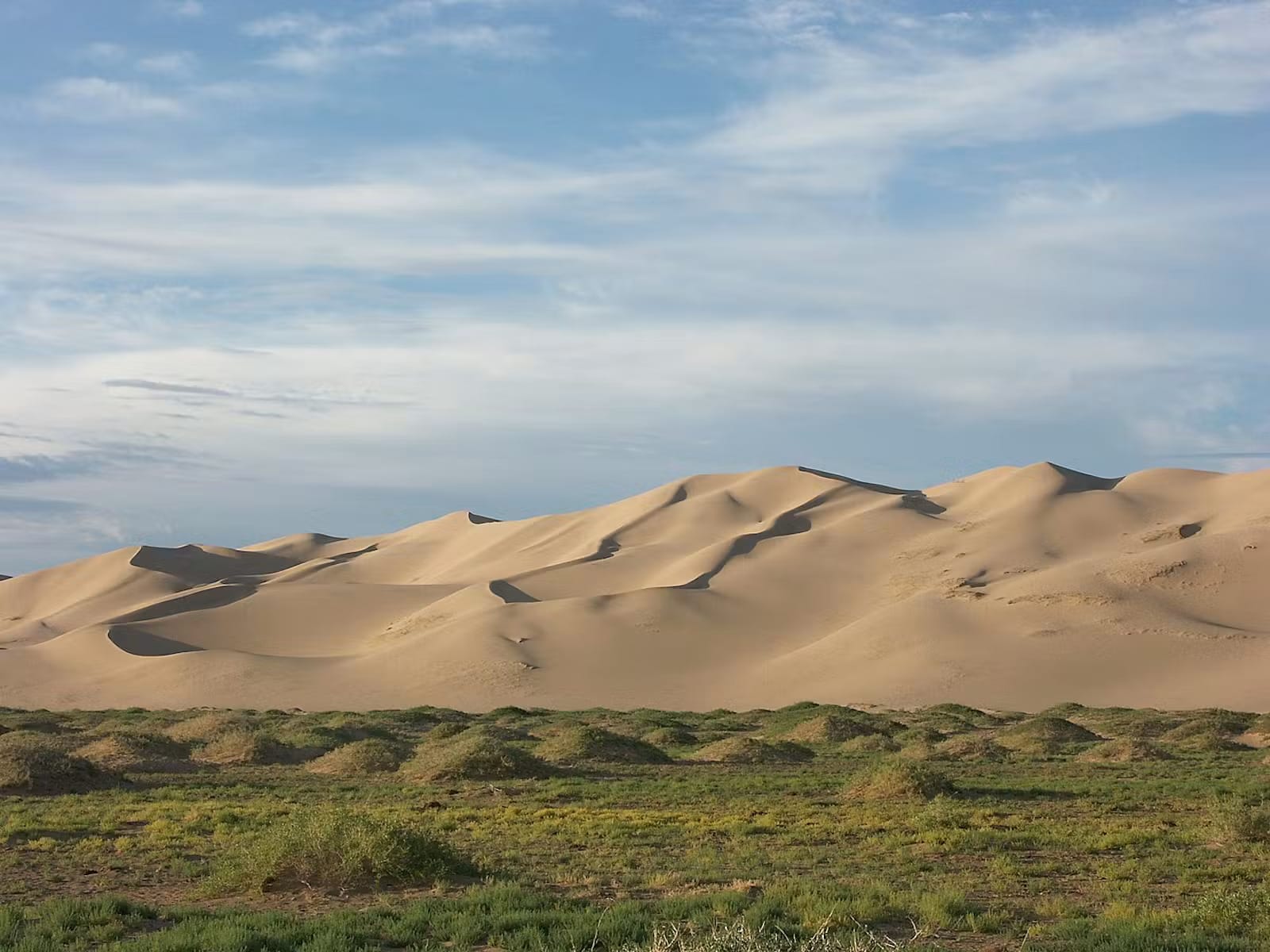
- The Southern Loop (The Gobi Desert): Best for dramatic desert landscapes, towering sand dunes (Khongoryn Els), dinosaur fossils at the Flaming Cliffs (Bayanzag), and rocky canyons (Yolyn Am). This route requires a true 4x4 due to deep sand and gravel tracks.
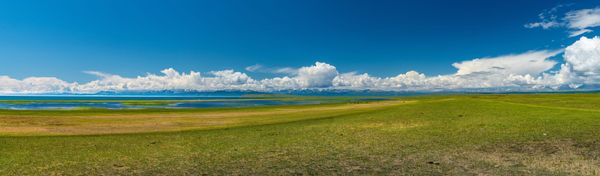
- The Northern Loop (Khuvsgul Lake & Central): Best for lush green valleys, alpine scenery, freshwater lakes, volcanic craters (Khorgo), and rich nomadic culture in the Orkhon Valley. This route has significantly more paved roads, making it a smoother option for standard SUVs.
Step 2: Establish Your Daily Driving Limits
On paved roads in Mongolia, you can comfortably cruise at 80 to 100 km/h. However, the moment you transition to unpaved dirt tracks, your average speed will plummet to 30 to 40 km/h.
When plotting your daily itinerary, never plan to drive more than 150 to 200 kilometers per day off-road. Driving 150 kilometers on the bumpy, vibrating steppe can easily take 5 to 6 hours of intense concentration. Always leave plenty of daylight buffer to find your campsite or Ger camp before sunset.
Step 3: Map It Out Completely Offline
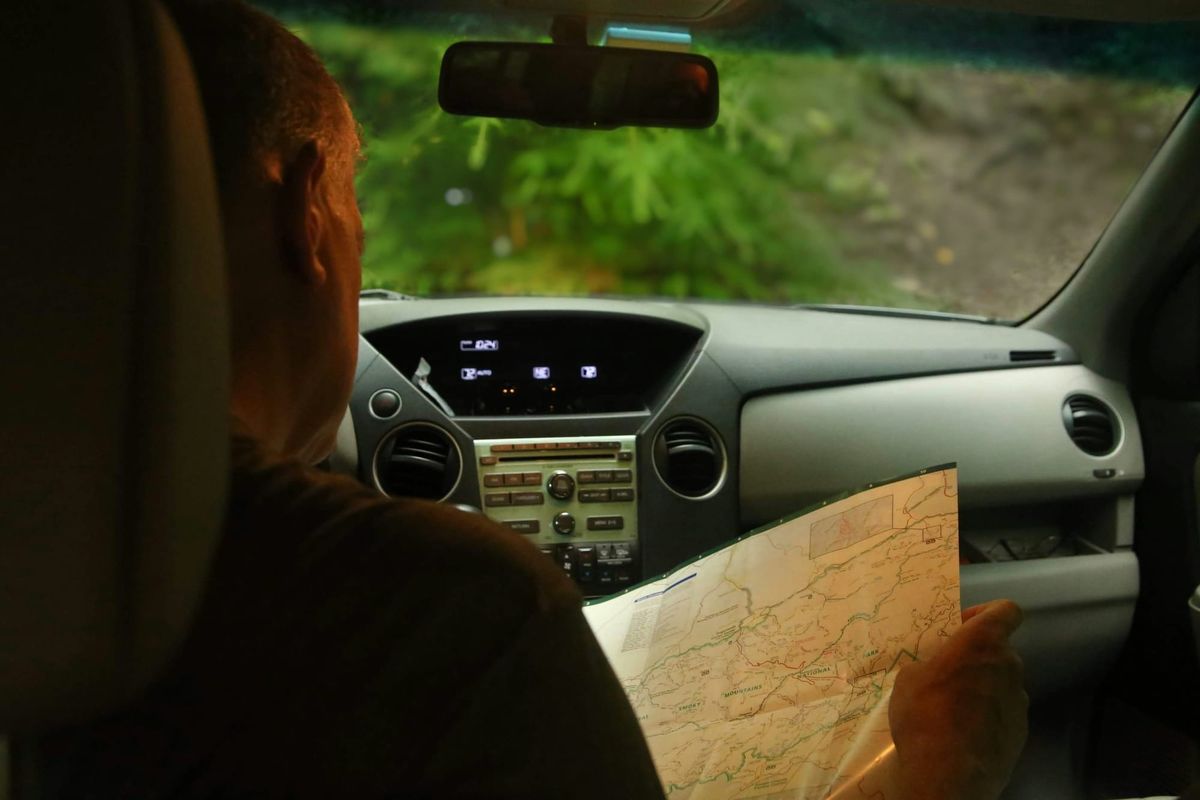
Because cellular networks are non-existent in deep valleys and desert expanses, you cannot rely on live navigation.
- Download Maps.me or Organic Maps on your smartphone.
- Download the complete map data for Mongolia while connected to high-speed Wi-Fi in Ulaanbaatar.
- Pre-pin your planned overnight stops, major landmarks, and provincial capitals where you intend to refuel.
Step 4: Pick Your Accommodation Strategy
You have two main choices for sleeping arrangements on a Mongolian road trip:
- Ger Camps: These are tourist-focused eco-lodges featuring traditional felt tents (Gers) with actual beds, firewood stoves, and centralized restaurant/shower facilities. They dot the main tourist routes and cost roughly $40 to $100+ USD per night, including meals.
- Wild Camping: Mongolia has no trespassing laws on public land. You can pitch a tent absolutely anywhere next to a river or at the base of a mountain for free. If you choose this route, ensure your rental vehicle package includes high-quality camping gear.
Step 5: Secure the Right Vehicle Early
The vehicle you choose can make or break your trip. During the peak summer travel season (June to August), quality vehicles in Ulaanbaatar sell out months in advance.
Map your vehicle selection directly to your destination needs:
| Route Choice | Primary Terrain | Minimum Vehicle Requirement |
| Terelj National Park Only | 100% Paved Highways | Economy Sedan / Hatchback |
| Central Loop & Khuvsgul | Paved roads, light dirt, minor potholes | Standard AWD SUV / Crossover |
| The Gobi Desert Deep Loop | Deep sand, loose gravel, dry washbeds | High-clearance 4x4 (e.g., Land Cruiser) |
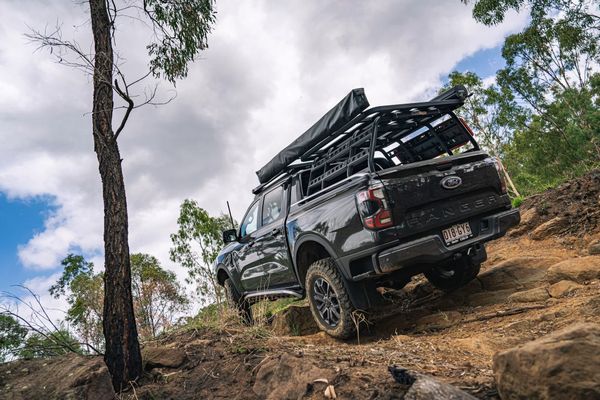
| Orkhon Valley Off-Roading | Deep mud, steep hills, river crossings | Heavy-duty 4x4 (e.g., Land Cruiser) |
Step 6: Finalize Your Paperwork
Do not leave your hometown without an International Driving Permit (IDP). Local traffic police run frequent checkpoints on the provincial borders outside Ulaanbaatar. You will need to present your passport, your original domestic driver's license, your IDP, and the vehicle registration documents provided to you at pickup.
Streamline Your Planning with JOROO
If coordinating offline maps, checking license translation legalities, and navigating local rental operators sounds overwhelming, let JOROO handle the logistics.
We act as your trusted English storefront. We match you with thoroughly inspected, highly reliable vehicles, provide transparent pricing with zero hidden fees, and ensure you have full support throughout your journey across the steppe.
🗺️ Ready to Launch Your Adventure?
Take the first step toward the ultimate overland journey. Tell us your dates and route, and we will send you a personalized vehicle quote.
Request Your Fixed Quote Now →
Frequently Asked Questions (FAQ)
What should I pack for a Mongolia road trip?
Beyond standard clothing, essential overlanding items include a high-quality headlamp, power banks for your electronics, a microfiber towel, wet wipes (dust is everywhere), a pocket knife, and any specific medications you need. If wild camping, ensure you have a sleeping bag rated for cold temperatures, as desert and steppe nights drop significantly even in July.
How do I find drinking water on the road?
Do not drink untreated river or stream water. Every provincial capital (Aimag) and small town (Soum) has local grocery markets where you can purchase large 5-liter plastic jugs of bottled water. Always keep an extra 10 to 15 liters of bottled water in the back of your rental car for emergencies.
Can I do a one-way car rental in Mongolia?
The vast majority of car rentals in Mongolia start and end in Ulaanbaatar. Because the country is so sparsely populated, arranging for a vehicle drop-off or pickup in a remote province (like Ölgii in the far west) requires sending a dedicated driver to retrieve it, which incurs incredibly steep relocation fees.