The Best Time to Visit Mongolia: Month-by-Month Guide
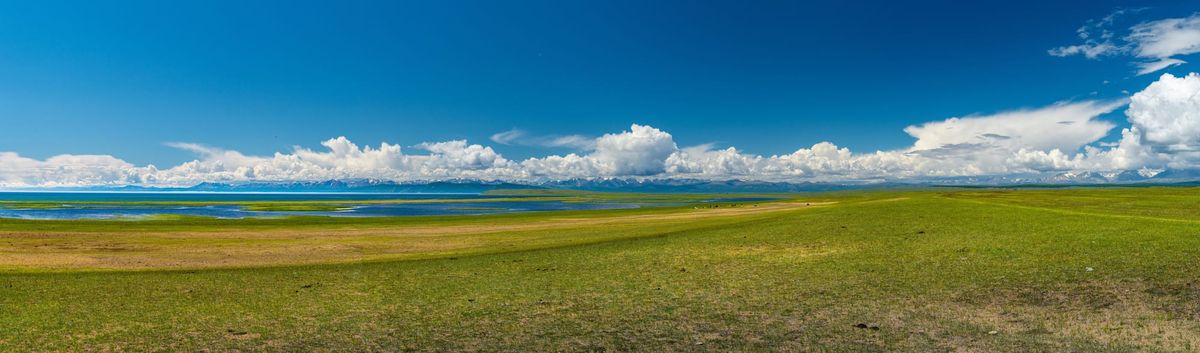
Because of its extreme continental climate, timing is everything when planning a trip to Mongolia. The country experiences massive temperature swings—ranging from blistering summer heat in the Gobi Desert to freezing sub-zero winter blasts on the northern steppe.
If you are planning a self-drive road trip or an overland expedition, your timing doesn't just dictate what clothes to pack; it dictates whether the dirt tracks will be open, muddy, or buried under snow.
Here is the complete month-by-month breakdown of the best time to visit Mongolia, specifically focused on weather, road conditions, and local festivals.
Whenever you choose to visit, the best vehicles sell out fast. Secure your summer 4x4 or SUV ahead of the peak season rush. Get a transparent, fixed quote from JOROO today.
1. Peak Season: July to August (The Sweet Spot)
This is the absolute best time to visit Mongolia, especially for first-time travelers and overlanders. The weather is warm, the steppe is beautifully green after early summer rains, and all tourist Ger camps are fully open.
- Weather: Daytime temperatures range from 20°C to 30°C (68°F to 86°F) across most of the country, though the Gobi Desert can push well past 35°C (95°F). Nights can still drop to around 10°C (50°F), so layers are necessary.
- Road Conditions: Paved roads are clear, and dirt tracks are mostly dry. However, heavy sudden downpours in late July can cause flash floods and deep mud in central valley regions like Orkhon.
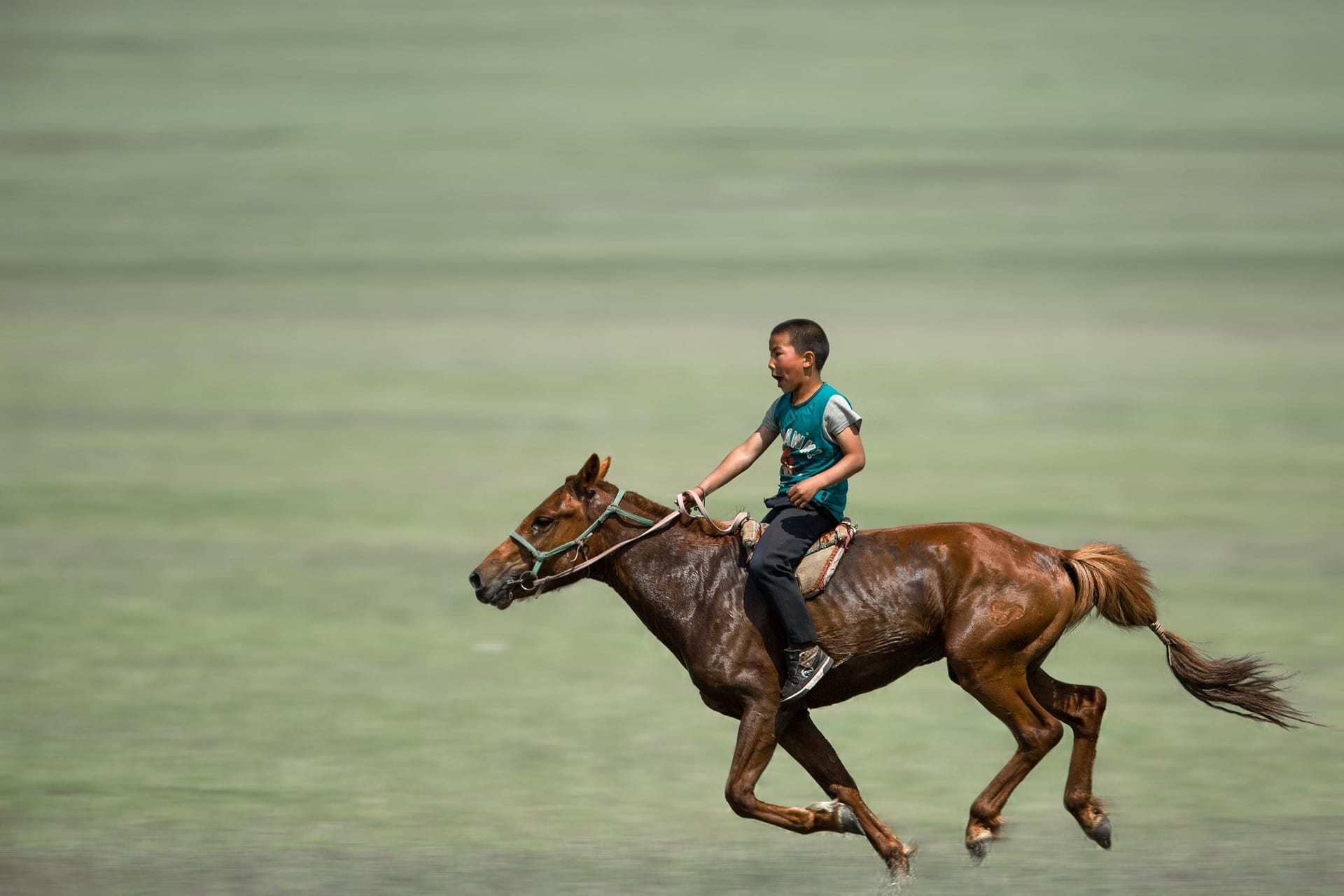
- The Highlight: The Naadam Festival takes place nationwide from July 11th to 13th. This is Mongolia's biggest cultural event, featuring the "three manly sports": wrestling, horse racing, and archery.
Tip: If you plan to drive or travel during Naadam week, you must book your vehicle and accommodation months in advance. The entire country travels during this period.
2. Shoulder Season: June and September (The Adventurer's Choice)
If you want to avoid the crowds of July and don't mind unpredictable weather, the shoulder months offer incredible rewards.
- June: The days are long and sunny, but the landscape can still look dry and brown as the steppe wakes up from winter. It is an excellent month for driving because the dirt tracks are firm and river levels are relatively low.
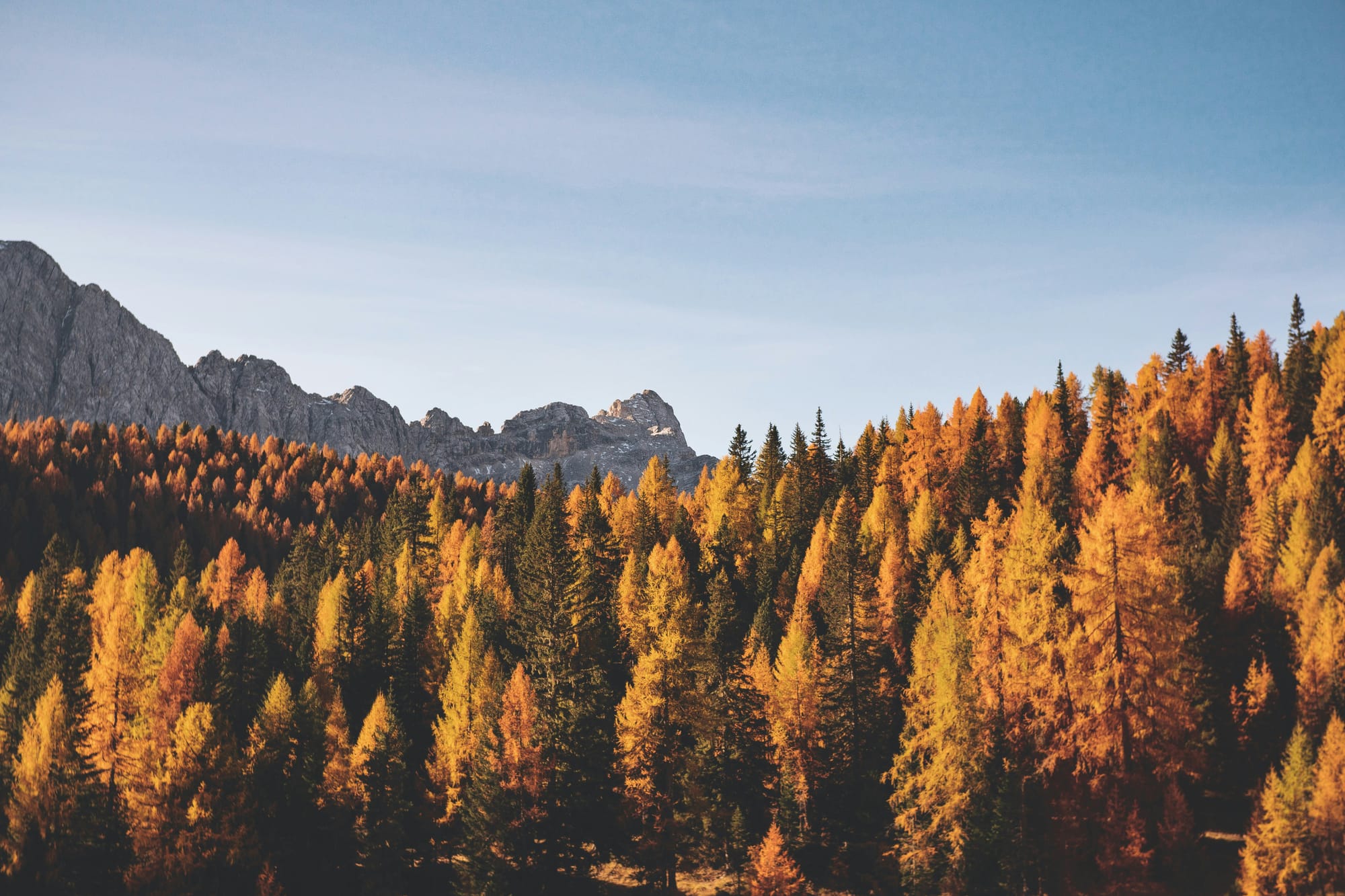
- September: The autumn colors in northern Mongolia (around Terelj and Khuvsgul Lake) are stunning. The summer crowds are completely gone, but temperatures drop rapidly. By mid-September, nighttime temperatures routinely drop below freezing, and many rural tourist Ger camps begin closing for the season.
3. Off-Peak Season: October to May (Extreme Overlanding)
Mongolia's winter is famously long, dry, and brutally cold. Traveling during these months requires specialized sub-zero gear and experienced winter drivers.
- The Reality: Temperatures in January and February routinely drop to -30°C or -40°C. Paved roads outside Ulaanbaatar become incredibly icy, and dirt tracks are buried under snowdrifts.
- The Exception: March features the iconic Ice Festival on Khuvsgul Lake and the Thousand Camels Festival in the Gobi. These are incredible cultural spectacles, but you should only attempt them with an experienced local driver rather than a self-drive rental car.
Weather and Driving Summary Table
| Month | Average Day Temp | Road Conditions | Ideal Travel Destinations |
| May | 12°C to 18°C | Unpredictable dust storms, dry tracks | Central Mongolia, Terelj |
| June | 20°C to 24°C | Clear highways, dry dirt tracks | Entire country (lower crowds) |
| July | 24°C to 30°C | Mostly dry, potential mud after rain | Best for all routes & Naadam Festival |
| August | 22°C to 26°C | Ripe rivers, potential mud in valleys | The Gobi Desert, Khuvsgul Lake |
| September | 14°C to 20°C | Clear roads, sudden early snow potential | Northern forest regions (Autumn colors) |
| Oct – April | -5°C to -35°C | Ice, heavy snowdrifts, high risk | Winter festivals only (with a driver) |
Lock in Your Perfect Dates with JOROO
No matter which month you choose to experience the raw beauty of Mongolia, having the right vehicle setup is non-negotiable. June, July, and August see a massive influx of international travelers, and high-clearance 4x4s like the Toyota Land Cruiser are the very first assets to sell out.
At JOROO, we make booking simple. We help you pick the right vehicle category for the specific weather and road conditions of your travel month, providing fixed pricing, secure booking links, and full English support from start to finish.
🚙 Plan Your Travel Window
Don't wait until you land in Ulaanbaatar to find a car. Tell us your travel month and route, and we will secure a reliable vehicle for your trip.
Request a Fixed Quote from JOROO →
Frequently Asked Questions (FAQ)
Is the Gobi Desert too hot to visit in July?
It can be quite hot, with temperatures frequently reaching 35°C to 38°C (95°F to 100°F). If you are driving the Gobi loop in July or August, a vehicle with a powerful, fully functioning air conditioning system is mandatory. Ensure you pack lightweight clothing, a wide-brimmed hat, and twice as much drinking water as you think you need.
When do tourist Ger camps open and close for the year?
The vast majority of tourist Ger camps open in late May or early June and close completely by mid-September. If you are traveling outside of this window, you must rely heavily on wild camping with high-quality, cold-weather tents or seek out small, year-round hotels in the provincial Aimag capitals.
Does it rain heavily in Mongolia during the summer?
Mongolia is known as the "Land of the Blue Sky" because it averages over 250 sunny days a year. However, July and August are the wettest months. Rain usually comes in short, heavy afternoon thunderstorms rather than days of continuous drizzle. These sudden downpours can rapidly turn dirt tracks into slick, slippery mud.