Meeting a Mongolian Shaman: What Travelers Should Know
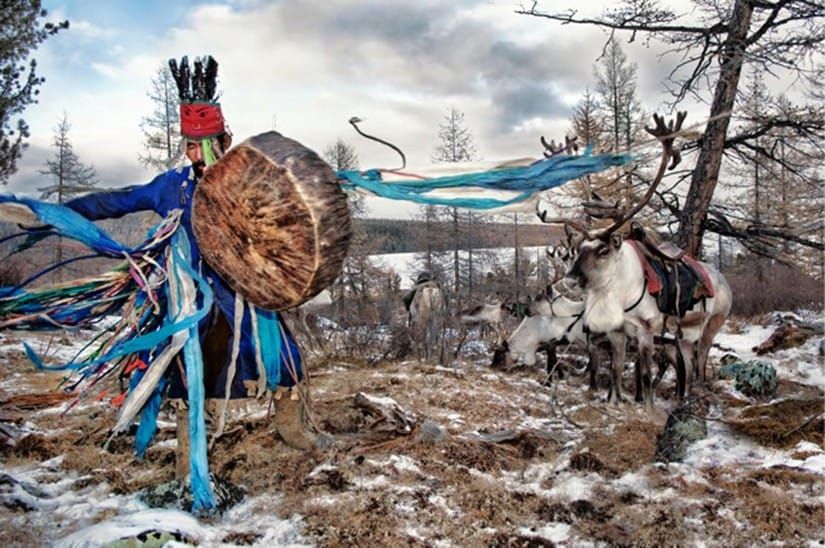
Mongolia is one of the few places on Earth where ancient shamanic traditions are not just preserved for history, but actively practiced in daily life. From the dense taiga forests of the northern Tsaatan reindeer herders to modern apartments in Ulaanbaatar, Tengrism (worship of the eternal blue sky) and shamanism deeply influence Mongolian culture.
For many travelers overlanding across the steppe, encountering a shaman or witnessing a ritual is a profound bucket-list experience. However, shamanism in Mongolia is not a tourist performance—it is a serious spiritual practice.
If you are hoping to meet a shaman or attend a ceremony during your 2026 road trip, here is the absolute ground truth on what to expect, how to behave, and the etiquette you must follow.
Reach the deepest parts of Mongolia safely. Shamanic traditions are strongest in remote northern regions.Get a fixed quote from JOROO to secure a reliable 4x4 today.
1. What is a Mongolian Shaman?
In Mongolian culture, a shaman (known as a Böö for men and Udgan for women) is an intermediary between the physical world and the spiritual realm. They do not claim to have magic powers themselves; instead, they enter deep trance states to allow ancestral spirits (Ongon) to enter their bodies.
Locals visit shamans for very practical reasons: to cure severe illnesses, seek advice on major business decisions, ask for safe travels before a long journey, or resolve family disputes.
2. Tourist Shows vs. Real Ceremonies
As tourism has grown, it is important to distinguish between a cultural demonstration and a genuine spiritual ritual.
- Cultural Demonstrations: At some large tourist Ger camps or national festivals, you might see individuals dressed in shamanic robes playing the drum and singing. These are usually cultural performances designed to educate tourists. Taking photos is perfectly fine.
- Genuine Ceremonies: A real ritual happens when a shaman actually summons a spirit. These ceremonies are intense, loud, and can last for hours late into the night. The shaman will wear a heavy costume covered in metal mirrors, bells, and a veil to hide their eyes (as the spirit’s gaze is considered too powerful).
3. Strict Etiquette and Rules
If you are invited to a genuine shamanic ceremony by a local family or your guide, you are participating in a sacred event. You must adhere to strict behavioral rules.
- Do Not Step on the Threshold: When entering the shaman's Ger, step over the wooden threshold at the bottom of the door. Stepping on the threshold is considered deeply disrespectful to the spirit of the household.
- Move Clockwise: Once inside the Ger, always walk to the left (clockwise) around the central stove.
- No Photography Without Permission: Do not take photos or record videos during a trance without explicit, prior permission from the shaman’s assistant (the Zaarin or translator). A flash going off can disrupt the trance, which is considered highly dangerous for the shaman.
- Keep Your Feet Tucked: When sitting on the floor or a stool, do not point the soles of your feet toward the shaman or the central altar. Tuck them under you or sit cross-legged.
- Do Not Touch the Tools: Never touch the shaman’s drum, costume, or altar. These items are spiritually charged and meant only for the practitioner.
4. What Happens During a Trance?
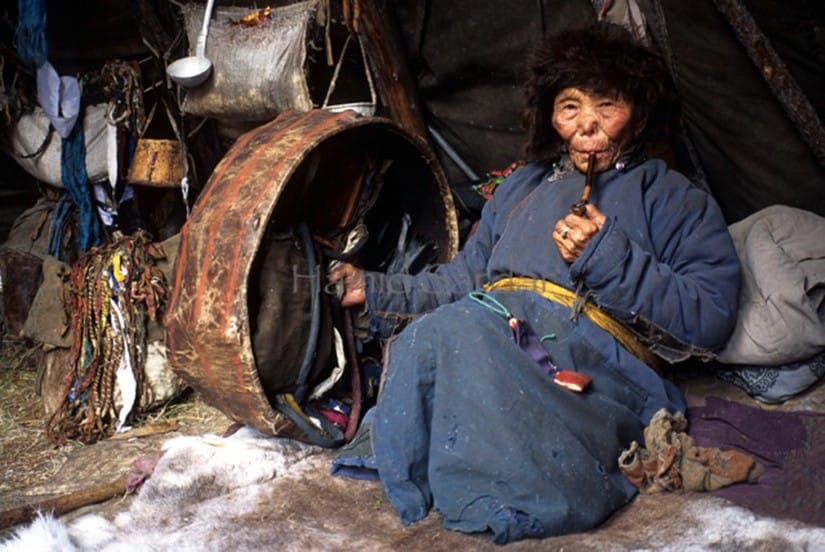
A real ceremony can be overwhelming for a first-time observer. The shaman will beat a large drum rhythmically to induce a trance. When the spirit enters their body, their voice and demeanor will change entirely—they may speak in ancient Mongolian dialects, shout, or require immediate assistance from their helpers to put on heavy armor.
Once the spirit is present, attendees are usually allowed to approach one by one to ask questions or receive a blessing. If you are offered a blessing, the shaman may hit you lightly on the shoulders with a whip or offer you a cup of vodka.
5. Receiving Vodka (The Right-Hand Rule)
Vodka (or fermented mare's milk, Airag) is a staple of shamanic rituals. If you are handed a bowl or cup by the shaman or the host, always receive it with your right hand (or with both hands).
Before drinking, dip your right ring finger into the liquid and flick a tiny drop upward to the Eternal Blue Sky (Tenger), a drop outward to the wind/spirits, and a drop downward to the Earth. You do not have to drink the whole cup—taking a small sip and returning it is perfectly acceptable.
6. How to Meet a Shaman
You cannot simply look up a genuine shaman on Google Maps.
If you are renting a vehicle with a local driver through JOROO, you can respectfully ask your driver if they know any practicing shamans in the regions you are visiting (particularly in the Darkhad Valley near Khuvsgul). Because shamans serve their local communities, introductions are almost always made through word of mouth and personal connections.
Experience the Real Mongolia
Finding these deeply authentic cultural moments requires getting off the paved highways and traveling deep into the nomadic heartland. That means you need a vehicle that won't break down when the pavement ends.
JOROO provides heavily inspected, true 4x4 vehicles designed to take you safely to the most remote corners of the country.
🚙 Ready to Overland?
Leave the tourist traps behind. Secure a rugged vehicle with transparent English contracts and full local support.
Request a Fixed Quote from JOROO →
Frequently Asked Questions (FAQ)
Do I have to pay the shaman?
Yes, it is customary to offer a donation. You do not hand the money directly to the shaman. Usually, you place cash (MNT), a bottle of high-quality vodka, or sweets on the altar or give it to the shaman's assistant. Ask your guide or driver what the appropriate donation amount is for that specific region.
Is it scary to attend a shamanic ritual?
It can be intense and loud, especially in a small, dark Ger lit only by the central fire. The sudden shouts and heavy drumming can startle foreigners. However, it is a safe and deeply cultural experience as long as you remain respectful and follow the instructions of the shaman’s helpers.
Can I ask the shaman a personal question?
Yes. When the spirit is present, locals ask for advice on health, travel, and family. If you ask a question (through your translator), be respectful, take the answer seriously, and avoid asking frivolous or mocking questions.