Mongolian Food Guide: What to Eat (and Try Once)
When you are planning a road trip across the Mongolian steppe, the landscapes will blow your mind, but the food might test your limits. Mongolian cuisine is a direct reflection of nomadic survival: it is heavy, calorie-dense, and almost entirely based on meat and dairy. There are no sprawling vegetable gardens in the Gobi Desert.
For a foreigner traveling through Mongolia in 2026, the culinary experience is an adventure in itself. You will eat incredible, slow-cooked feasts alongside local families, and you will also encounter fermented dairy products that might shock your palate.
Whether you are self-driving between Ger camps or dining with a local driver, here is the ultimate guide to Mongolian food—what you must eat, what you should try at least once, and how to survive if you have dietary restrictions.
Need a vehicle to reach these culinary experiences? Navigate the steppe safely to meet authentic nomadic families. Request a fixed quote from JOROO to secure your 4x4 today.
1. The Big Four: Staples You Will Eat Every Day
If you are eating at rural Ger camps or roadside diners (Guantz), your menu will heavily feature mutton (sheep) and beef. Here are the four staples that form the backbone of the Mongolian diet:
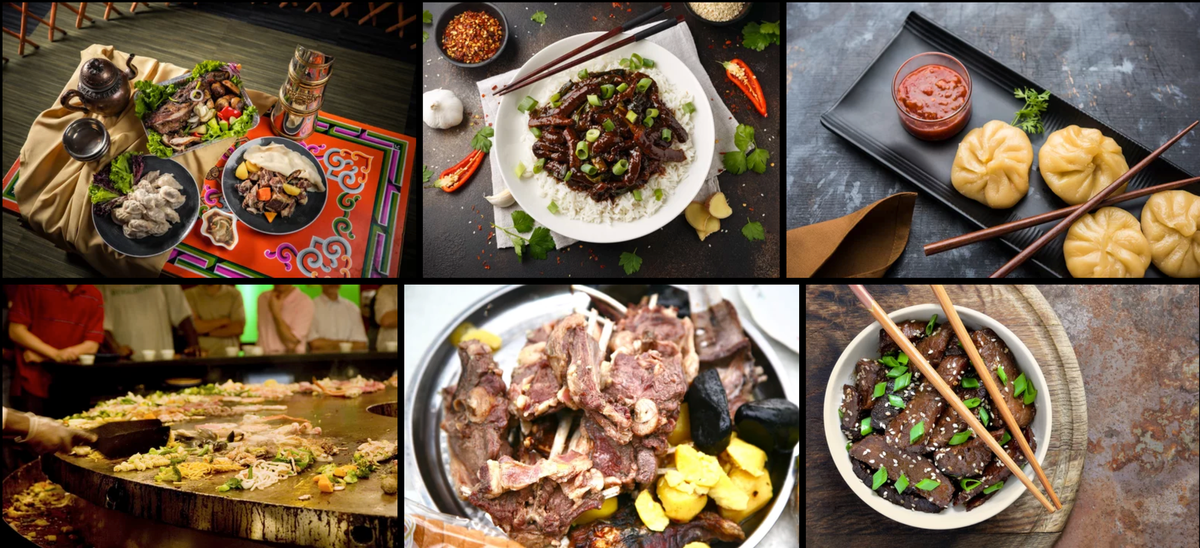
- Buuz (Steamed Dumplings): This is the national dish. Buuz are large, doughy dumplings filled with minced mutton or beef, onions, and garlic, then steamed. They are juicy, heavy, and incredibly satisfying after a long day of driving.
- Khuushuur (Fried Meat Pastries): Imagine Buuz, but flattened and deep-fried to a golden crisp. Khuushuur is the ultimate Mongolian street food and the official meal of the Naadam Festival.
- Tsuivan (Fried Noodles): A massive, carb-heavy plate of handmade noodles stir-fried with strips of meat, onions, and sometimes small pieces of potato or carrot. This is the ultimate comfort food for Mongolian drivers.
- Bantan (Meat Porridge): A thick, soothing soup made from dough crumbs and meat broth. It is notoriously known as Mongolia’s best hangover cure.
2. The Feast: Khorkhog (Mongolian Barbecue)
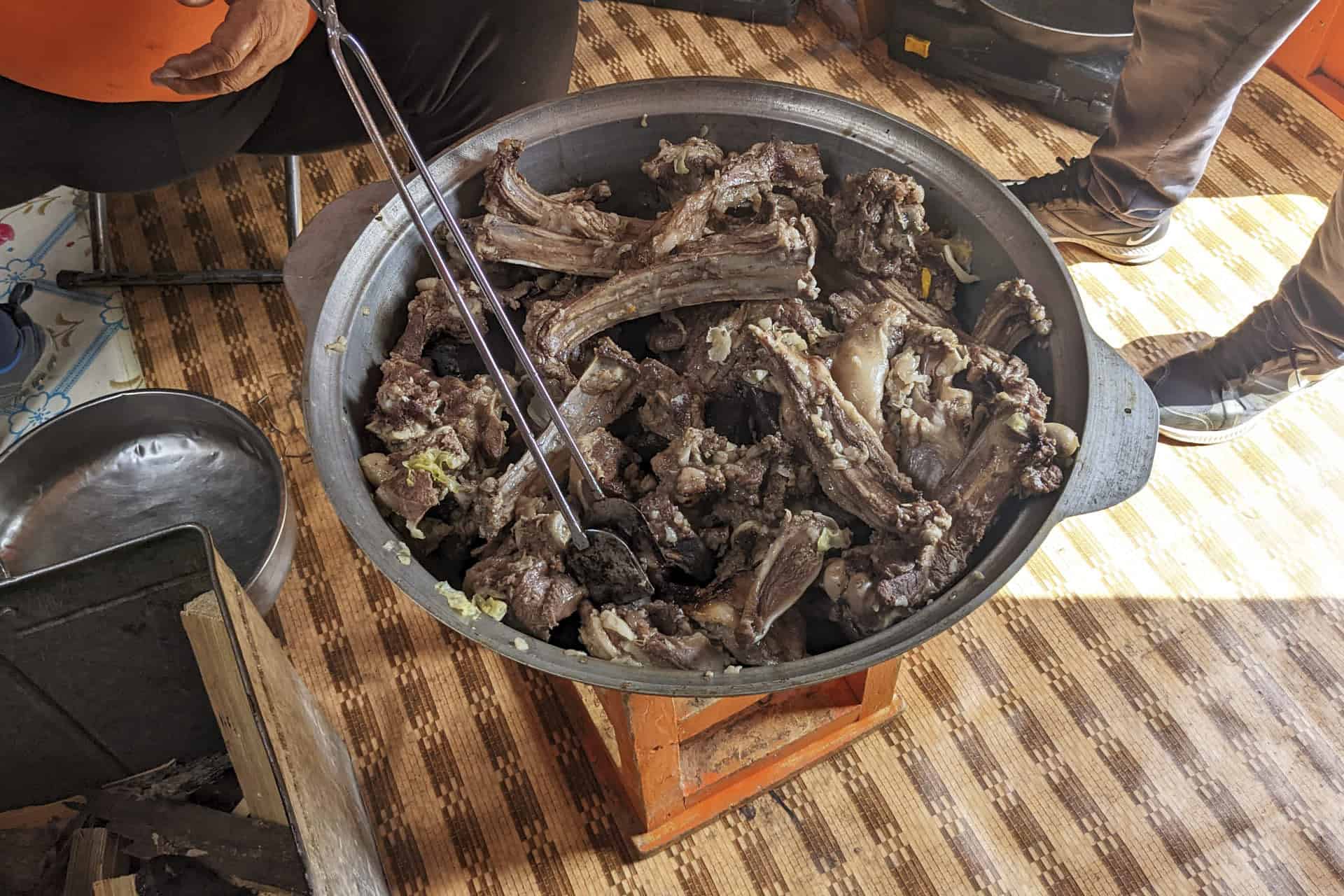
You cannot leave Mongolia without trying Khorkhog. This is not the "Mongolian BBQ" you see in Western malls.
Real Khorkhog is a traditional nomadic feast. Large chunks of mutton (and occasionally potatoes and carrots) are placed inside a massive metal milk jug along with smooth river stones that have been heated in a fire until glowing red. Water is added, the jug is sealed, and the meat pressure-cooks from the inside out. The result is incredibly tender, smoky, and falling-off-the-bone delicious.
Tip: When the jug is opened, the host will pass the hot, greasy stones around for guests to hold. Juggling the hot stones in your hands is believed to be good for your health and circulation.
3. The "Try Once" Dairy Products (Tsagaan Idee)
Mongolians use every part of their livestock, particularly the milk from cows, yaks, horses, and camels. Nomadic "white food" (dairy) is heavily fermented to preserve it through the harsh winters. These flavors are aggressively sour to the foreign palate.
- Airag (Fermented Mare’s Milk): The legendary drink of Genghis Khan. It is slightly alcoholic (around 2-3%), carbonated, and tastes intensely sour. You will be offered a bowl when visiting any horse-herding family. Take a polite sip!
- Aaruul (Dried Curd): You will see these hard, yellowish-white chunks drying on the roofs of Gers. It is essentially dehydrated, sour yogurt. It is incredibly hard to chew and very tart, but it is a fantastic source of vitamin C.
- Suutei Tsai (Salty Milk Tea): Black tea mixed with milk, water, and salt. It is served hot with every meal. It takes some getting used to (most Westerners expect tea to be sweet), but it is incredibly hydrating on the dry steppe.
4. The Vegetarian Survival Guide
Can you travel Mongolia as a vegetarian or vegan? Yes, but it requires serious preparation. Outside of Ulaanbaatar, the concept of a meat-free meal simply does not exist in traditional nomadic culture.
- In Ulaanbaatar: You will be fine. The capital has a booming culinary scene with excellent vegan restaurants (use the HappyCow app), Indian spots, and international cafes.
- On the Steppe: If you are staying at tourist Ger camps, tell them in advance, and they will usually prepare rice, eggs, and basic vegetable stir-fries. However, if you are wild camping or visiting nomadic families, you must pack your own food. Stock up on nuts, peanut butter, dried fruit, instant oatmeal, and vitamin supplements at major supermarkets (like E-Mart or the State Department Store) in Ulaanbaatar before you hit the road.
5. Food Safety for Travelers
The sudden shift to a high-fat, high-meat diet often shocks foreign stomachs.
- Pace Yourself: Do not eat a massive bowl of greasy mutton on your first night. Ease into the local diet.
- Drink Bottled Water: Never drink tap water or untreated river water in Mongolia. Always buy 5-liter jugs of bottled water for your road trip.
- Pack the Essentials: Bring a basic medical kit with antacids, Imodium, and rehydration salts just in case the heavy dairy does not agree with you.
Plan Your Culinary Adventure
Getting to the authentic Khorkhog feasts requires venturing far off the paved roads. To safely navigate the dirt tracks leading to true nomadic camps, you need a high-clearance vehicle you can trust.
JOROO connects you with verified local fleet owners, ensuring you get a rugged 4x4, a transparent contract, and zero hidden fees.
🚙 Ready to Hit the Road?
Secure your vehicle and prepare for the ultimate Mongolian road trip.
Request a Fixed Quote from JOROO →
Frequently Asked Questions (FAQ)
What do Mongolians eat for breakfast?
Traditional nomadic breakfasts consist of leftover meat from the night before, fried dough (Boortsog), clotted cream (Urum), and plenty of salty milk tea (Suutei Tsai). Modern tourist camps will often serve eggs, bread, jam, and instant coffee.
Is it safe to eat street food in Ulaanbaatar?
Yes, street food (like Khuushuur) is generally safe, especially during festivals like Naadam where turnover is high and the food is fried fresh in front of you. Always look for stalls with a long line of locals.
Do I tip in Mongolian restaurants?
Tipping is not a traditional part of Mongolian culture. In rural diners and local spots, you do not need to tip. However, in high-end international restaurants and cafes in Ulaanbaatar, leaving a 5% to 10% tip for exceptional service is becoming more common and is greatly appreciated.